When Does Chocolate Expire and How to Store It Properly?
When it comes to chocolate, understanding its expiration is crucial. According to Dr. Laura Keibler, a food scientist specializing in chocolate, "Chocolate expiration depends on various factors, including storage conditions." Chocolate can be a delightful treat, but it doesn't last forever. Its shelf life can vary based on ingredients and how it is stored.
Proper storage plays a significant role in extending chocolate's life. Chocolate should be kept in a cool, dry place away from strong odors. Many people overlook this aspect, risking premature spoilage. When chocolate is improperly stored, it may develop a white coating known as bloom. This can happen due to temperature changes. Although bloomed chocolate is safe to eat, it may not be very appealing.
Even the most dedicated chocolate lovers sometimes struggle with adhering to ideal storage practices. This leads to unwanted degradation. Understanding chocolate expiration not only helps maintain quality, but also enhances the overall experience. Investing the time to learn proper storage will pay off, allowing everyone to enjoy their chocolate at its best.
Understanding Chocolate Expiration Dates and Shelf Life
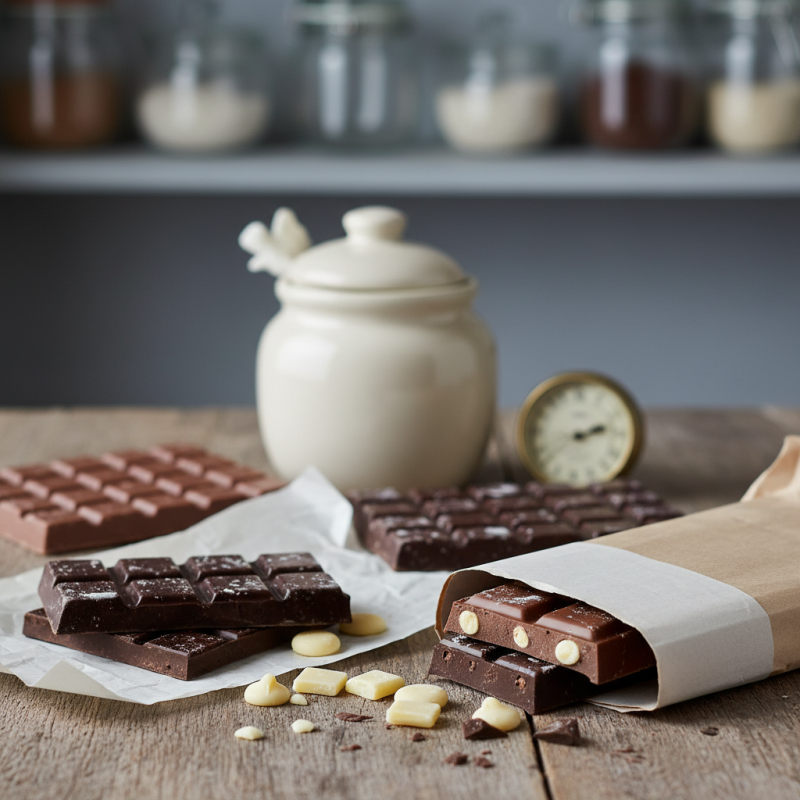
Chocolate has a surprisingly long shelf life, but it can still expire. The expiration date varies based on the type of chocolate. Dark chocolate lasts the longest, typically up to two years. Milk chocolate has a shorter life of about one year. White chocolate, while not technically chocolate, can last around six months. Always check the packaging for specific dates.
Storing chocolate properly can extend its freshness. Keep it in a cool, dry place, away from direct sunlight. A pantry is usually best. Avoid storing chocolate in the fridge as it can develop a white film known as "bloom." This happens due to moisture affecting the cocoa butter. If stored improperly, texture and flavor can degrade, making chocolate less enjoyable.
Even with care, chocolate can lose its appeal. It may not taste as good after the expiry date. Sometimes, we forget about that hidden bar at the back of the shelf. It’s wise to regularly check your stash. Don’t let forgotten treats go to waste. Enjoy your chocolate while it's at its best!
Factors Affecting the Freshness of Chocolate Products
When it comes to chocolate, freshness is key. Several factors influence how long chocolate stays good. Temperature plays a significant role. Chocolate should be stored in a cool place, ideally between 60°F and 70°F. Higher temperatures can lead to blooming, where fat or sugar rises to the surface, affecting texture and taste.
Humidity is another critical aspect. Moisture can ruin chocolate, causing it to develop mold or a sticky texture. Keep chocolate away from products with strong odors. Chocolate can absorb these scents, altering its flavor. Its delicate nature demands attentiveness to storage conditions. Even small changes can make a significant difference.
The type of chocolate matters, too. Dark chocolate has a longer shelf life than milk or white chocolates. This difference arises from the fat content and the absence of dairy in dark chocolate. However, even dark chocolate can suffer if improperly stored. Rushed decisions often lead to hasty storage choices. Reflecting on the best practices can prolong enjoyment.
Best Practices for Storing Chocolate to Maintain Quality
Storing chocolate properly can significantly extend its shelf life and maintain its quality. Keep chocolate in a cool, dark place. Ideally, the temperature should be between 60°F to 68°F (15°C to 20°C). Avoid the fridge. It causes condensation, ruining the texture. The pantry is usually a more suitable spot.
Use an airtight container for storage. This keeps out moisture and prevents chocolate from absorbing odors. Chocolate absorbs flavors from its surroundings quite easily. A glass jar or a simple zip-lock bag works well. Make sure it’s completely sealed. Avoid keeping it near strong-smelling items.
Sometimes, even the best practices can fall short. Chocolate can develop a white film, known as bloom, due to temperature changes. This doesn’t mean it’s bad, but it does affect taste and texture. Also, not everyone stores chocolate at the right temperature. Little mistakes like that can impact your next indulgence.
Chocolate Shelf Life and Proper Storage Conditions
This chart illustrates the shelf life of different types of chocolate when stored under proper conditions. Dark chocolate typically lasts the longest at 24 months, while white chocolate has the shortest shelf life of around 6 months.
Signs That Chocolate Has Spoiled or Gone Bad
Chocolate can bring immense joy, but it can also go bad. Identifying spoiled chocolate is crucial. One major sign is a change in texture. If your chocolate has a grainy or chalky surface, it’s a bad sign. This texture often indicates that the cocoa butter has started to separate. Another typical sign is a white film that appears on the surface, known as "bloom". Bloom doesn’t mean your chocolate is unsafe, but it does affect the taste.
Smell is another indicator. Fresh chocolate should smell rich and inviting. If it has an off or stale odor, it’s time to toss it. Flavor changes can also occur. Old chocolate might taste bland or waxy. Pay attention to any sour notes as well. When chocolate is spoiled, the joy of eating it disappears entirely. Proper storage in a cool, dry place can prolong its life. Make sure to use an airtight container to maintain freshness.
Tips for Reviving Stale Chocolate for Better Taste
Reviving stale chocolate can be a game-changer. Did you know that chocolate can lose its flavor over time? According to a study, chocolate typically lasts about 1 to 2 years if stored correctly. However, factors like humidity and light can quickly degrade its quality.
If you find yourself with chocolate that has lost its appeal, don’t worry. One method to revive it is to gently melt it. Use a double boiler for best results. Heat it slowly, stirring to ensure even melting. This process can bring back some of its original texture and flavor.
Another tip is to incorporate stale chocolate into baked goods, like brownies or cookies. This way, its rich flavor can complement the sweetness of other ingredients.
Texture matters too. Sometimes stale chocolate can appear chalky or dry. To enhance the experience, consider tempering the chocolate. This can improve its snap and shine.
It’s essential to pay attention to storage as well. Store chocolate in a cool, dark place, ideally around 65°F to 70°F. Avoid the fridge, as this can introduce moisture and lead to bloom. Understanding these nuances can help you enjoy chocolate longer.