How to Choose the Right Airport Fence for Security?
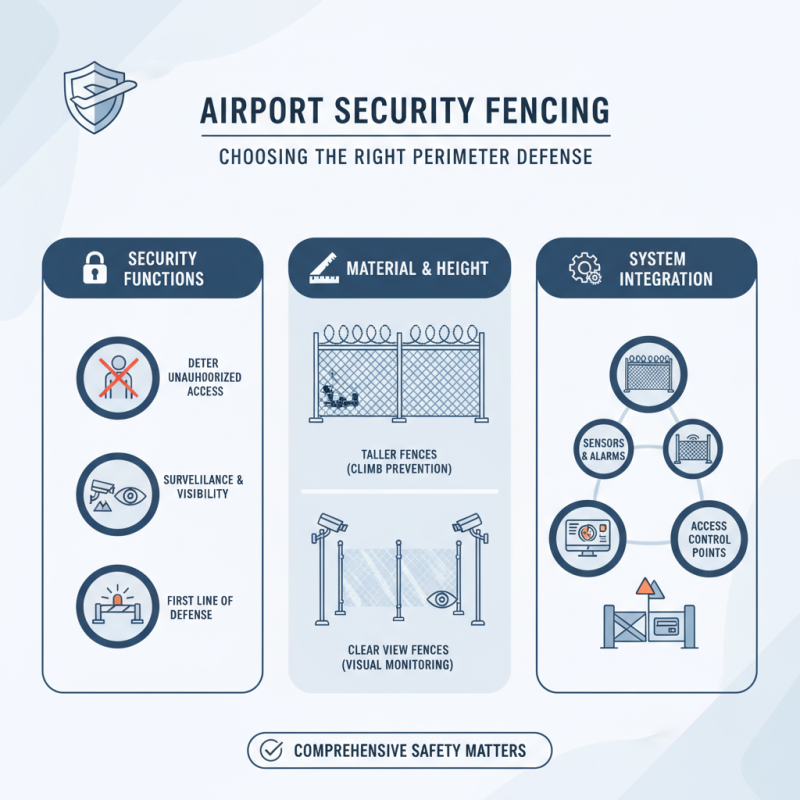
Choosing the right airport fence is crucial for ensuring safety and security. The perimeter of an airport needs to be more than just a barrier. It must deter unauthorized access and provide a sense of security for passengers and staff alike. An airport fence can be the first line of defense against threats.
Besides security, consider the material and height of the fence. Different environments require different solutions. For instance, some areas may need taller fences to prevent climbing. Others might focus on visibility and surveillance. An airport fence must balance deterrence with practicality.
Yet, the choice can be challenging. Not all fences offer the same level of protection. Some might look good but fail to meet safety standards. Evaluate the options carefully. Think about how the fence will interact with the entire security system. The right choice is not merely about appearance; it’s about comprehensive safety.
Understanding the Importance of Airport Fencing in Security Management
Airport fencing plays a crucial role in security management. It acts as the first line of defense against unauthorized access. According to a report from the International Air Transport Association (IATA), 70% of security breaches occur through the perimeter. This statistic underscores the need for robust fencing systems.
The right airport fence should withstand harsh weather and potential breaches. High-tensile strength materials are often recommended. Moreover, integrating surveillance technology with fencing enhances overall security. A recent study indicated that airports utilizing modern fencing solutions experienced a 50% decrease in security incidents.
Choosing the wrong type of fencing can create vulnerabilities. Some installations fail to meet regulatory standards. This oversight may lead to serious security threats. It's essential for airport authorities to prioritize their fencing choices. A well-designed fence not only protects but also reflects a commitment to safety. Crafting an effective security strategy is a multifaceted challenge.
Types of Airport Fencing: Pros and Cons for Different Security Needs
When selecting the right airport fence, understanding the various types available is crucial. Chain-link fences are common due to their cost-effectiveness and flexibility. They provide a visible boundary but may not deter determined intruders. Adding barbed wire on top can enhance security but may create an intimidating appearance.
Electric fences are another option. They offer significant deterrence through shock; however, they are more complex to install and maintain. This type may not suit every airport due to safety concerns. Assessing the environment is vital before choosing either of these types.
Consider your specific security needs. High-security installations might benefit from welded wire fences, which are sturdier. They can withstand tampering but may come with higher installation costs. Think about access points and where surveillance can be integrated. Combining different types can also enhance overall security.
Tips to remember: Always assess the specific threats your airport faces. Consult with security experts to determine the best fencing options. Don't overlook the importance of regular maintenance on whatever fence you choose. A neglected fence may become a vulnerability.
Analyzing Material Strength and Durability in Airport Fence Design
When selecting the right airport fence, material strength and durability are crucial. A study by the Airport Cooperative Research Program (ACRP) found that over 70% of airport security breaches are linked to inadequate fencing. Proper materials can prevent unauthorized access and enhance safety. Popular choices include steel and aluminum, both known for their strength and long lifespan.
Each material has its drawbacks. Steel offers high tensile strength but can rust without proper coating. Aluminum resists corrosion but may not withstand extreme impacts as well. A design report from the Federal Aviation Administration (FAA) recommends a minimum height of 8 feet for airport fences. This height deters casual trespassers but may still require additional layers of security.
Long-term durability is often overlooked. Fences exposed to harsh weather need regular inspections. Routine maintenance can significantly extend their lifespan. Inadequate upkeep can lead to costly repairs and increased vulnerability. The balance between strength, cost, and maintenance is often a challenging consideration for airport authorities. Selecting the right material requires careful analysis and strategic planning.
Airport Fence Material Strength Analysis
This chart illustrates the material strength (measured in PSI) and durability ratings of various materials commonly used in airport fence design. Stronger and more durable materials enhance security by ensuring the fence withstands environmental factors and potential breaches.
Evaluating Technology Integration in Airport Fencing Systems
When evaluating technology integration in airport fencing systems, it’s essential to consider several factors. Advanced technologies like motion sensors, cameras, and alarm systems greatly enhance security. These elements can provide real-time alerts. However, they also require regular maintenance and updates.
Modern fencing solutions may incorporate intelligent systems. This integration allows for seamless communication between different security layers. Yet, the dependency on technology poses a risk. System failures can occur, leading to vulnerabilities. Ensuring a backup plan is vital for all airport facilities.
Moreover, while high-tech solutions are appealing, human oversight remains crucial. Trained personnel can spot anomalies that technology might miss. Balancing tech and human skills can create a robust security framework. In practical applications, the combination should fit the unique needs of each airport.
How to Choose the Right Airport Fence for Security? - Evaluating Technology Integration in Airport Fencing Systems
| Fence Type | Material | Height (ft) | Integration Capability | Cost (per foot) | Durability (Years) |
| Chain Link Fence | Galvanized Steel | 8 | Moderate | $15 | 20 |
| Vinyl Coated Fence | Steel with Vinyl Coating | 10 | High | $20 | 25 |
| Electric Fence | Steel and Electric Wiring | 6 | Very High | $30 | 15 |
| Razor Wire Fence | Barbed Wire | 8 | Moderate | $10 | 20 |
| Palisade Fence | Steel | 10 | High | $25 | 30 |
Compliance with Regulations and Standards for Airport Security Fencing
Choosing the right airport fence for security involves many factors. Compliance with regulations and standards is vital. Different airports may have different requirements based on location and use. Keeping up with these varies can be daunting. It's essential to understand the local regulations governing airport fencing.
Tips for ensuring compliance: Always research the specific regulations that apply to your airport. Check with the local authorities and airport security regulations. This step ensures your fencing meets safety standards. Consider collaborating with a security consultant who knows these regulations well.
Additionally, it’s important to regularly reassess your fencing. Security needs can change over time. Some materials may not withstand harsh weather conditions. Reflect on past incidents that may suggest vulnerabilities. Don’t overlook the balance between aesthetics and security. An appealing fence can also contribute to an airport’s image.