What is Reflective Workwear and Why is it Important?
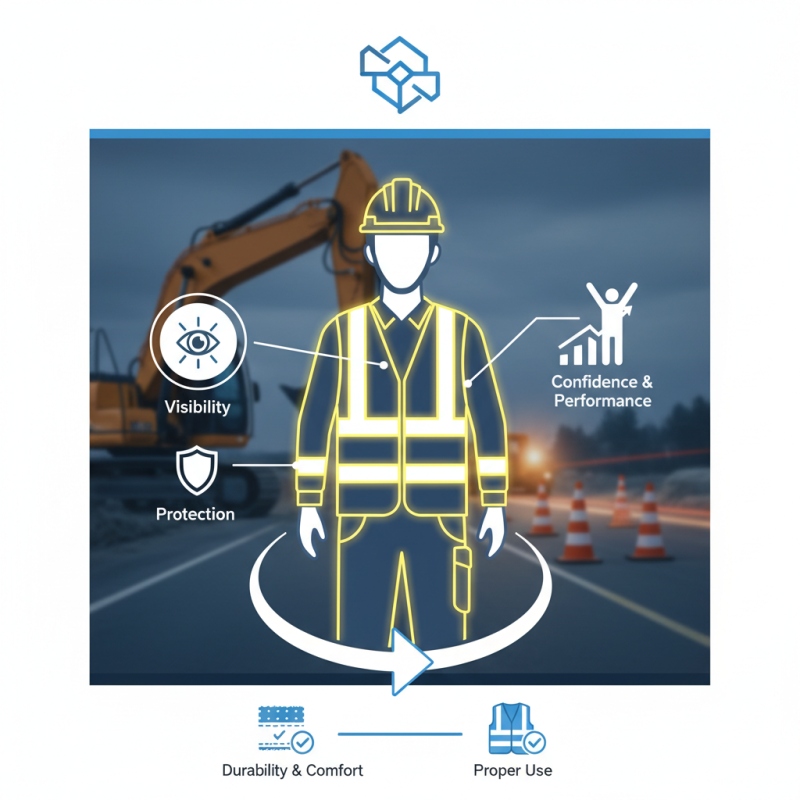
In today’s high-risk work environments, safety is a top priority. reflective workwear plays a key role in ensuring visibility and protection for workers. This type of clothing reflects light, making it easier for workers to be seen in low-light conditions. Construction sites, roadwork, and emergency services rely heavily on this apparel.
The significance of reflective workwear cannot be overstated. It not only enhances safety but also boosts confidence among employees. When workers feel visible, they often perform better. However, the selection of reflective gear can fall short at times. Some may lack durability or comfort, leading to less consistent use. Reflective workwear should blend safety with practicality, a balance that is sometimes missed.
Moreover, the proper use of reflective clothing is essential. Workers must wear it correctly to reap the benefits. If it is not fitted or worn as intended, safety is compromised. Reflective workwear is not just a requirement; it’s a responsibility that demands attention and care. In recognizing its importance, we must reflect on how to improve our approach.
What is Reflective Workwear?
Reflective workwear is a specialized clothing designed to enhance visibility in low-light conditions. This type of clothing often features bright colors and reflective strips. Such design elements increase the safety of workers in hazardous environments. According to the Bureau of Labor Statistics, over 20,000 work zone accidents occur every year due to visibility issues. This statistic is alarming.
Reflective workwear is crucial for industries like construction and emergency services. It allows workers to be seen by vehicle operators and other personnel. A study from the Occupational Safety and Health Administration (OSHA) reveals that proper visibility gear can reduce accidents by 30%. Such high numbers indicate a clear need for effective safety measures.
However, it’s essential to recognize that not all reflective workwear is created equal. Some garments may not meet safety standards. Workers often wear gear that is worn out or improperly fitted. This can seriously compromise their safety. Reflective workwear must be regularly inspected and replaced to maintain effectiveness. Prioritizing quality in these garments is critical for ensuring worker safety in an increasingly hazardous world.
The Evolution of Reflective Workwear in Various Industries
Reflective workwear has come a long way across various industries. Initially used by road workers, its utility has expanded significantly. Today, it is prevalent in construction, emergency services, and even event management. Workers face numerous hazards daily. Wearing reflective clothing improves visibility, especially in low-light conditions. This evolution has saved countless lives.
As industries grow, the demand for effective safety gear increases. Reflective workwear now features advanced materials that enhance comfort and durability. In the past, professionals wore basic vests. Now, many garments are stylish and functional. These improvements encourage more workers to wear them. Still, some individuals overlook their importance.
Tip: Ensure that your reflective clothing fits well. A proper fit increases comfort and visibility.
Many workers still choose not to wear reflective gear consistently. This can lead to dangerous situations. It's crucial for companies to promote safety culture. Regular training and reminders can reinforce its importance.
Tip: Conduct regular safety audits in your workplace. Identify areas where visibility can be improved.
Key Features and Materials Used in Reflective Workwear
Reflective workwear is designed for visibility and safety in hazardous environments. High-visibility clothing incorporates reflective materials that enhance the wearer's safety. Key features include bright colors and retroreflective strips. These elements make workers more noticeable in low-light conditions. Statistics show that reflective gear can reduce accident rates significantly, with studies indicating up to a 40% decrease in incidents.
The materials used in reflective workwear are vital for effectiveness. Common fabrics include polyester and cotton blends, offering durability and comfort. Retroreflective materials, usually made of glass beads or microprismatic elements, bounce light back to its source. This ensures that workers remain visible even from a distance. Industries such as construction and transportation report a higher accident rate without proper reflective gear.
However, not all reflective workwear is equally effective. Some garments may lack proper certification or sufficient retroreflective coverage. It’s essential for employers to invest in quality gear. Relying solely on inexpensive options can expose workers to risks. It’s a challenge to balance cost with safety. Ensuring the right materials and features in workwear is critical for protecting lives on the job.
Importance of Visibility and Safety in Hazardous Work Environments
In hazardous work environments, visibility and safety are crucial. Reflective workwear plays a key role in enhancing safety. Whether on construction sites or near heavy machinery, being seen can prevent accidents. Dim lighting or poor weather conditions make visibility even more important. The right workwear can save lives.
Wearing reflective materials improves the chances of being noticed. Bright colors help stand out against backgrounds. Reflective strips catch light, alerting drivers and machinery operators. However, not all reflective clothing is created equal. Some garments may lose brightness over time, making them less effective. Regularly checking the condition of workwear is essential.
Tips: Always choose workwear that meets safety standards. Inspect your clothing often for wear and tear. If it isn’t bright anymore, replace it. Also, remember to layer appropriately for varying weather conditions, but always keep visibility high. Prioritizing your safety can lead to a more secure workplace.
Importance of Reflective Workwear in Hazardous Work Environments
This chart illustrates the significance of visibility provided by reflective workwear in various hazardous work environments. The data highlights the percentage of accidents prevented due to enhanced visibility among workers in different sectors.
Regulations and Standards Governing Reflective Workwear Usage
Reflective workwear plays a vital role in ensuring safety. The use of high-visibility clothing is governed by several regulations and standards. In the United States, OSHA mandates employers to provide proper safety gear. This includes reflective materials that enhance visibility, especially in low-light conditions.
The American National Standards Institute (ANSI) sets specific guidelines. For example, ANSI 107 outlines the minimum requirements for reflective apparel. Workers in hazardous environments must wear gear meeting these standards. This can reduce accident rates by approximately 30%. However, compliance is not always guaranteed. Some organizations overlook upgrades in regulations, leaving employees at risk.
Recent studies suggest many workers still lack proper reflective gear. A survey revealed that nearly 40% of construction workers are not using adequate visibility equipment. Educating companies about these standards is crucial. Reflective workwear is not just a preference; it is a requirement for safety on job sites. Ensuring everyone is informed can save lives.